“I don’t think anyone really likes me — they just miss the old times.”
That blunt, self-deprecating statement from Matthew Lillard cuts through the usual celebrity PR veneer like a knife. In a candid moment, the actor — best known for his chaotic energy in Scream and quirky charm in SLC Punk! — laid bare what he believes is the real reason Hollywood has welcomed him back after years in relative obscurity: nostalgia.
And he might not be wrong.
Lillard’s observation taps into a deeper truth about entertainment today: we’re not just watching movies — we’re reliving them. Remakes, legacy sequels, and reboots dominate the box office. And the actors who once filled those roles are being pulled back not necessarily because of new talent, but because of the emotional currency they represent.
The Nostalgia Economy and Lillard’s Role in It
Nostalgia isn’t just a feeling — it’s a market force. Studios bank on it because it reduces risk. Audiences have a proven emotional connection to characters and actors from their youth, making them more likely to buy tickets, stream content, or engage with merchandise.
Matthew Lillard is a prime example of this phenomenon.
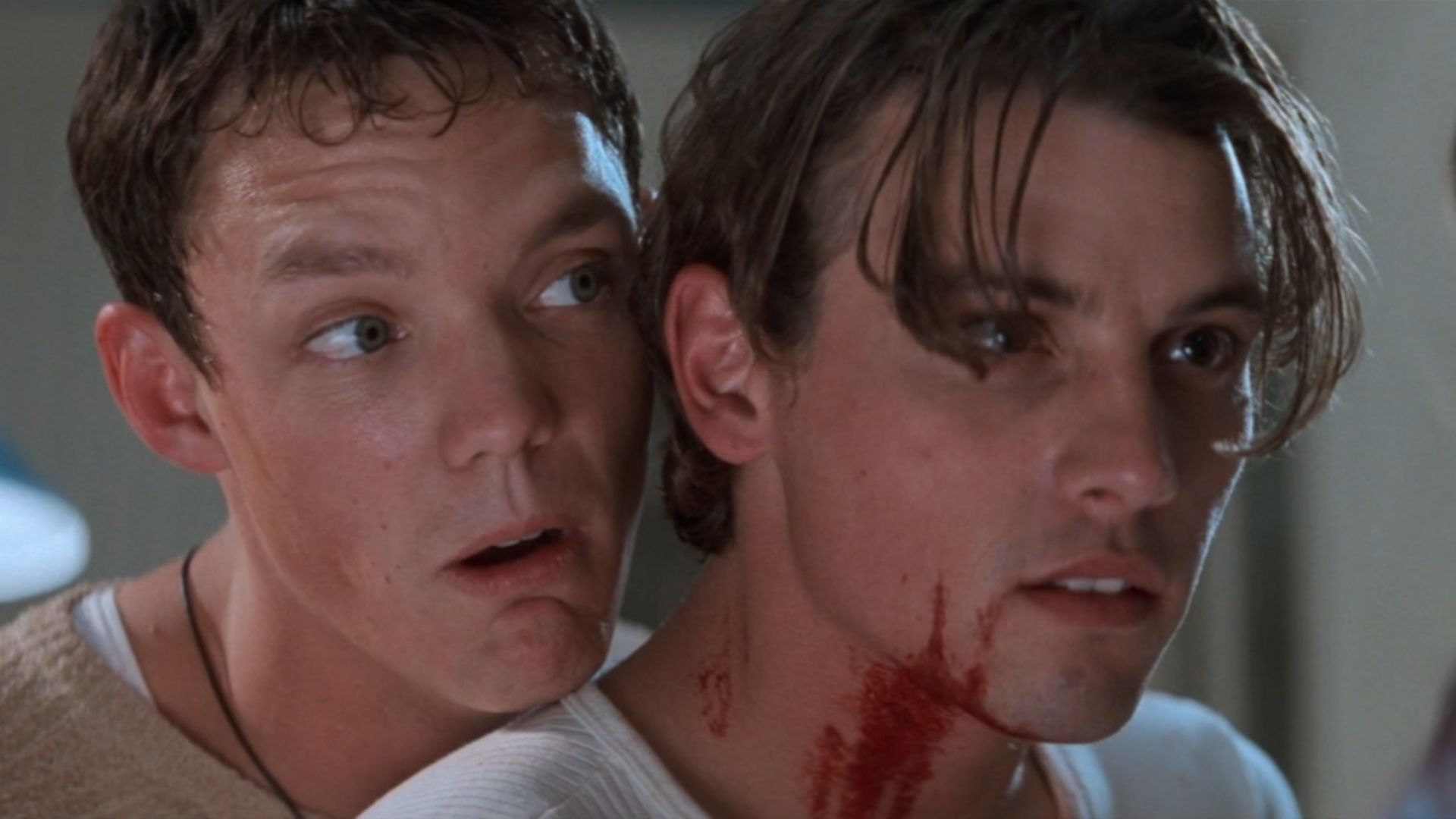
After years of smaller roles, voice work (Scooby-Doo), and indie projects, Lillard returned to the spotlight with Scream (2022) and Scream VI — rejoining the franchise that made him famous in 1996. His character, Stu Macher, was a murderer in the original, but his legacy endured far beyond that twist. His performance became iconic — not just for its horror impact, but for its manic, almost cartoonish energy that defined a generation of teen horror.
Yet, Lillard himself doesn’t see his return as a testament to enduring popularity.
“I think nostalgia is one of the reasons Hollywood is hiring me again,” he said in a recent interview. “I don’t think anyone really likes me. They just miss the old times.”
It’s a sentiment that reveals both humility and insight.
Why Nostalgia Works — Even When the Actor Doesn’t
Nostalgia doesn’t require the actor to be beloved in the present. It only requires that they were remembered in the past.
Think of it like this: when you hear the opening chords of a song from your high school years, you don’t judge the quality of the music by today’s standards. You feel something. That feeling is worth billions to studios.
Lillard’s return to Scream wasn’t about proving he’s a better actor now — it was about triggering recognition. Seeing him again, even in flashbacks or hallucinations, reminded audiences of the original film’s cultural punch. His cackle. His wild eyes. The party scene.
That emotional spark is what studios are really paying for.
The Paradox of the Cult Actor
Lillard occupies a unique space in Hollywood: the cult actor who never became a leading man, but whose work left an indelible mark.
Unlike peers who transitioned into A-list careers, Lillard’s path was quieter. After Scream, he appeared in Hackers, The Descendants, Sleepover, and I Know What You Did Last Summer, but rarely as the central draw. His performance in SLC Punk! (1998), however, became a sleeper hit, gaining a devoted following over the years.
This kind of career — steady, respected among fans, but not mainstream — makes actors like Lillard perfect for nostalgia-driven comebacks.
- They’re recognizable enough to trigger memory.
- They’re not overexposed, so their return feels special.
- They often bring authenticity, having stayed connected to their roots.
The Risk of Being “The Guy From That Thing”
But there’s a downside to being associated with one era or role.

Actors can become trapped in the past, struggling to be seen for anything new. Lillard has spoken openly about this.
“I’ve done a lot of work since Scream, but when people see me, they don’t talk about my indie film from last year. They say, ‘Dude, you were so crazy in that party scene!’”
It’s a common experience for 90s actors. Skeet Ulrich, Neve Campbell, and David Arquette have all grappled with being tied to Scream. But Lillard’s self-awareness sets him apart. He doesn’t resent the nostalgia — he leverages it.
Hollywood’s Comeback Formula: How Nostalgia Drives Hiring
Lillard’s return isn’t an anomaly. It’s part of a broader industry trend.
Studios are increasingly relying on legacy characters and original cast members to sell new content. Consider:
- Harrison Ford in Indiana Jones and the Dial of Destiny
- Jamie Lee Curtis in Halloween (2018) and sequels
- Ben Affleck and Matt Damon in Air and The Instigators
- Keanu Reeves in John Wick and Bill & Ted Face the Music
These actors aren’t necessarily the biggest draws at the box office today — but their presence signals continuity, authenticity, and emotional payoff.
And for actors like Lillard, it means opportunities that might not exist otherwise.
Why Studios Choose Nostalgia Over New Talent
There are practical reasons behind this trend:
- Built-in Audience: Fans of the original are more likely to show up.
- Marketing Simplicity: “The original cast returns” is an easy hook.
- Lower Risk: A known face reduces uncertainty in a volatile market.
- Cross-Generational Appeal: Parents can introduce kids to what they loved.
Lillard’s casting in Scream VI wasn’t about his recent IMDb credits — it was about giving fans a moment, a callback, a thrill.
Even when he’s not physically present, his influence lingers. The new killers wear masks inspired by his character. His name is invoked. His energy is echoed.
That’s the power of nostalgia — it keeps you alive in the story, even when you’re gone.
The Emotional Truth Behind Lillard’s Words
When Lillard says, “I don’t think anyone really likes me,” he’s not seeking pity. He’s making a sharp observation about fame, memory, and identity.
Celebrities are often expected to be grateful for any attention. But Lillard’s honesty reveals the bittersweet reality of being remembered for who you were, not who you are.
Nostalgia vs. Authentic Connection
There’s a difference between being remembered and being valued.
An actor can be iconic and still feel invisible in the present. Lillard’s comments suggest he feels the gap.
But here’s the twist: by acknowledging it, he becomes more relatable — and in some ways, more likable.
His self-awareness resonates with fans who also feel out of step with the modern world. Many people look back fondly on the 90s and early 2000s, not because those times were better, but because they were simpler, more defined.
Lillard isn’t just a product of that era — he’s a mirror for it.
The Future of Nostalgia in Hollywood
Nostalgia isn’t going away. If anything, it’s accelerating.
As streaming algorithms feed us content from the past and social media revives old memes and moments, the line between then and now blurs.
For actors like Matthew Lillard, this means more opportunities — but also more pressure to remain relevant beyond their legacy.
Can Nostalgia Lead to a Real Comeback?
It’s possible — but only if the actor can bridge the past and present.
Lillard has already taken steps:
- Voice acting in Scooby-Doo made him a staple in family entertainment.
- His performance in The Descendants (2011) showed dramatic range.
- He’s active on social media, engaging fans with humor and humility.

The challenge now is to use nostalgia as a platform — not a prison.
What Other Actors Can Learn from Lillard
- Embrace the past, but don’t live in it — Acknowledge your iconic role, then show what else you can do.
- Be honest about your place in the industry — Authenticity builds trust.
- Stay visible in meaningful ways — Voice work, indie films, or stage roles keep you active.
- Connect with fans directly — Social media allows you to control your narrative.
Lillard isn’t chasing awards or leading roles. He’s carving a sustainable path — one that respects his past without being defined by it.
Nostalgia Isn’t a Flaw — It’s a Lever
Matthew Lillard’s story isn’t about being forgotten and rediscovered. It’s about understanding the mechanics of fame in the digital age.
Hollywood isn’t hiring him because he’s suddenly “in demand.” It’s hiring him because he represents something audiences want to revisit: a time, a feeling, a version of themselves.
And that’s not something every actor can offer.
His self-deprecating comment — “I don’t think anyone really likes me” — might actually be the reason people do like him. It’s honest. It’s human. It cuts through the artifice.
In an industry obsessed with image, Lillard’s willingness to question his own relevance makes him more relevant than ever.
Nostalgia brought him back. But it’s his awareness of it that keeps him compelling.
Final Thought: The Comeback Isn’t About Fame — It’s About Meaning
Matthew Lillard isn’t trying to become a superstar. He’s trying to stay true to who he’s always been — a character actor with a unique voice, a cult following, and the guts to admit that sometimes, people just miss the way things used to be.
And maybe that’s enough.
For fans, seeing him again isn’t about reliving fear — it’s about remembering who we were when we first watched Scream.
For Hollywood, it’s a reminder that sometimes, the most powerful performances aren’t on screen — they’re in how someone navigates time, memory, and identity.
Actors like Lillard aren’t just returning to the spotlight.
They’re holding up a mirror to all of us — asking whether we love them, or just the past they represent.
And the answer might say more about us than we think.
FAQ
Why did Matthew Lillard say no one really likes him? He was making a self-aware comment about how his recent work opportunities stem from nostalgia for his past roles, not current popularity.
Is Matthew Lillard still acting? Yes, he continues to act in films, TV, and voice roles, including recent appearances in the Scream franchise.
What is Matthew Lillard’s most famous role? He’s best known for playing Stu Macher in Scream (1996) and Stevo in SLC Punk! (1998).
Why is nostalgia so powerful in Hollywood? Nostalgia reduces risk for studios by tapping into existing audience emotions and memories, making marketing easier and more effective.
Did Matthew Lillard expect to return to the Scream franchise? He’s said he never expected to come back, but welcomed the opportunity as a way to reconnect with fans.
Is nostalgia good or bad for actors’ careers? It can be both — it brings opportunities but may limit actors to past roles instead of new, diverse ones.
What other 90s actors are benefiting from nostalgia? Neve Campbell, David Arquette, Jamie Lee Curtis, and Keanu Reeves have all seen career revivals due to nostalgic demand.
FAQ
What should you look for in Matthew Lillard on Nostalgia and Hollywood’s Second Chance? Focus on relevance, practical value, and how well the solution matches real user intent.
Is Matthew Lillard on Nostalgia and Hollywood’s Second Chance suitable for beginners? That depends on the workflow, but a clear step-by-step approach usually makes it easier to start.
How do you compare options around Matthew Lillard on Nostalgia and Hollywood’s Second Chance? Compare features, trust signals, limitations, pricing, and ease of implementation.
What mistakes should you avoid? Avoid generic choices, weak validation, and decisions based only on marketing claims.
What is the next best step? Shortlist the most relevant options, validate them quickly, and refine from real-world results.